
CarbonOne Safe
New York
CarbonOne Safe Reviews: Best Placement Near Furnace, Water Heater & Kitchen (Guide)
Quick answer: The optimal placement for a CarbonOne Safe detector is near potential gas leak sources like furnaces, water heaters, and kitchens, but positioned at least 15 feet away to prevent false alarms. You should plug the CarbonOne Safe into standard wall outlets in hallways outside all sleeping areas to ensure maximum overnight protection.
As a professional field tester, I evaluate dozens of home safety devices every year. Most carbon monoxide detectors are uninteresting pieces of plastic that sit quietly on a wall. You press a test button, hear a chirp, and hope the internal sensor actually works during an emergency. Testing the CarbonOne Safe required a different approach. Because this device provides real-time digital readouts of air quality, I could actually observe its performance metrics continuously throughout the evaluation period.
Carbon monoxide poisoning is a severe threat in residential environments. According to safety statistics, more than 400 Americans die annually from accidental exposure, and emergency rooms see over 100,000 visits related to this gas. Carbon monoxide is entirely invisible. It has no color, no taste, and no smell. Because 84% of fatal carbon monoxide incidents occur between September and April when heating systems run constantly, having a reliable detection system is a strict requirement for household safety.
Check current pricing and availability for CarbonOne Safe
Why is carbon monoxide detection critical for home safety?
Understanding the nature of carbon monoxide dictates how we evaluate safety equipment. When a furnace or water heater malfunctions, it can slowly vent gas into the living space. Because the gas is odorless, families sleeping through the night will not notice a leak. Standard gas leaks do not necessarily result in immediate fires or dramatic explosions. Instead, gas slowly displaces oxygen in the home.
The primary sources of carbon monoxide in standard residential properties include gas furnaces, water heaters, gas stoves, and attached garages where vehicle exhaust can seep through adjoining walls. Any appliance that burns fuel—wood, gas, oil, or coal—produces carbon monoxide. Monitoring these specific zones is the only way to prevent accidental poisoning.
How does the CarbonOne Safe perform during field testing?
The CarbonOne Safe separates itself from traditional detectors through its multi-threat monitoring capability. During our evaluation of the CarbonOne Safe, we focused on its 4-in-1 protection system. The unit continuously monitors the environment for carbon monoxide, natural gas, propane, and smoke caused by fires. Having a single plug-in device handle all four threats streamlines home safety setups significantly.
Evaluating the real-time digital display
Traditional carbon monoxide detectors operate on a delayed threshold. Standard units frequently remain silent until carbon monoxide concentrations reach 70 Parts Per Million (PPM). A resident could breathe contaminated air for hours before a standard alarm sounds.
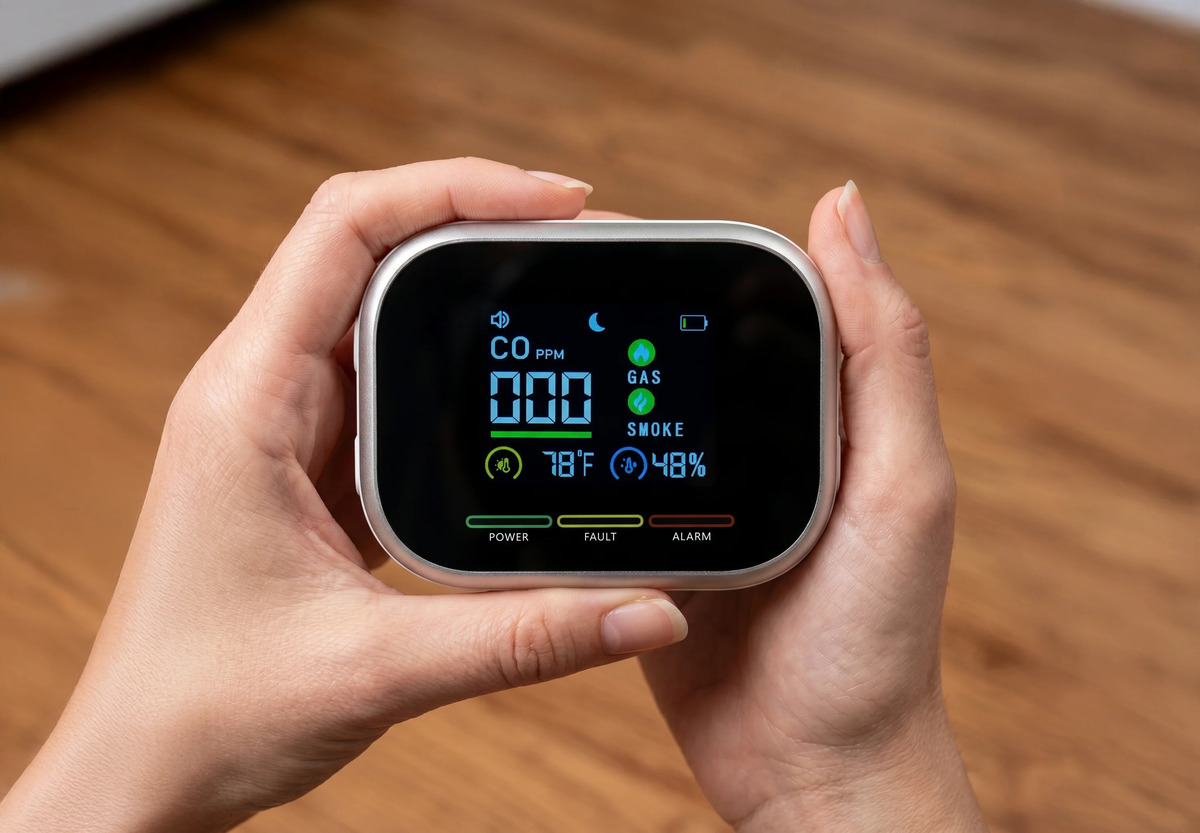
The CarbonOne Safe utilizes an early alert system featuring a live digital display. The screen shows real-time readings starting at 0 PPM. Throughout the testing phase, checking the display provided immediate visual confirmation of the air quality. You see exactly what is in your air, rather than relying on a static green light.
Testing smart features and reliability
Installation speed is a major factor in consumer adoption. The CarbonOne Safe requires zero tools, zero wiring, and no ladders. You simply plug the device into any standard electrical outlet. Our setup time clocked in at exactly five seconds.
Reliability during extreme conditions is another crucial testing metric. Power outages frequently happen during severe winter storms—the exact time a homeowner relies heavily on gas heating. The CarbonOne Safe features a built-in battery backup that maintains continuous monitoring when the electrical grid fails. Furthermore, the unit runs automatic self-testing protocols around the clock. This eliminates the common hazard of relying on a standard detector where the sensor has died but the green indicator light remains illuminated.
Secure your home with the CarbonOne Safe today
Where should you install carbon monoxide detectors in a house?
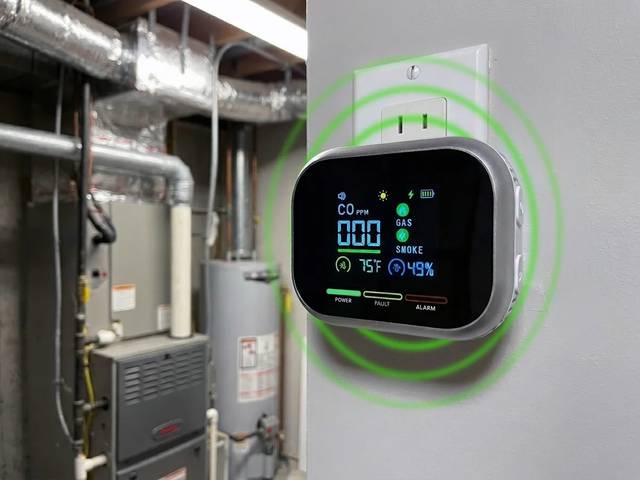
Because the CarbonOne Safe plugs directly into standard wall outlets, placement strategy revolves around available electrical sockets and airflow dynamics. To achieve total home coverage, most residential properties require between two and four units.
What is the best distance to place a detector near a furnace?
The furnace room is a high-risk zone for carbon monoxide leaks. However, plugging the CarbonOne Safe directly next to the furnace can lead to nuisance alarms. Furnaces sometimes release a tiny, harmless amount of gas upon initial ignition.
For optimal performance, place the CarbonOne Safe in the room with the furnace, but keep it roughly 15 to 20 feet away from the unit itself. Ensure the outlet you choose is not blocked by boxes, shelving, or heavy furniture. The sensor requires unobstructed airflow to read the room's baseline gas levels accurately. Avoid placing the unit near air supply vents, as forced clean air can blow gas away from the sensor, resulting in artificially low readings.
How should you monitor areas near the water heater?
Gas water heaters pose similar risks to furnaces, often residing in utility closets or basements. If your water heater is in a confined space, plug the CarbonOne Safe into an outlet just outside the utility closet door. This placement ensures the alarm is loud enough to be heard throughout the adjoining rooms while still catching any gas that escapes the immediate vicinity of the appliance.
What are the placement rules for kitchens and gas stoves?
Kitchens require careful detector placement due to cooking smoke and natural gas usage. Because the CarbonOne Safe detects both natural gas and smoke, placing it too close to the stove will trigger false alarms every time you accidentally burn toast or boil water aggressively.
To monitor the kitchen effectively, plug the CarbonOne Safe into an outlet located in the dining room or a hallway just outside the kitchen archway. Keep the device at least 10 feet away from cooking appliances. This distance allows cooking smoke to dissipate while still positioning the sensor close enough to detect a genuine natural gas leak from a faulty stove line.
Why is monitoring sleeping areas an absolute priority?
The most critical placement for the CarbonOne Safe is near sleeping areas. If a gas leak occurs at 2:00 AM, the alarm must be loud enough to wake every sleeping family member. Plug one CarbonOne Safe into a hallway outlet located outside the primary bedrooms. If the house features multiple sleeping wings, or bedrooms on different floors, you must install a separate device for each designated sleeping zone.
Should you place detectors in attached garages and basements?
Do not install the CarbonOne Safe directly inside a garage. Vehicle exhaust fluctuations and extreme temperature drops will damage the electrochemical sensor and trigger constant false alarms. Instead, place the detector inside the house, plugged into the outlet closest to the door connecting the garage to the living space.
Basements absolutely require monitoring, especially if they house heating equipment. Plug the CarbonOne Safe into a centrally located basement outlet, preferably near the bottom of the staircase leading to the first floor.
Upgrade your family's safety with the CarbonOne Safe
How do you install and maintain the CarbonOne Safe device?
Field testing confirmed that the CarbonOne Safe is exceptionally user-friendly. Installation involves removing the device from the packaging and inserting it into a wall outlet. There is no complicated app to configure or Wi-Fi network to troubleshoot.
Maintenance is equally hands-off. Because the CarbonOne Safe performs continuous self-testing, the user does not need to manually check calibration levels. The device is built to professional standards, utilizing certified electrochemical sensor technology with a 5-year rated lifespan. If the power goes out, the battery backup automatically takes over. Users only need to occasionally dust the outer casing with a dry cloth to ensure the intake vents remain clear of debris.
Who benefits the most from installing a CarbonOne Safe?
The CarbonOne Safe is highly recommended for homeowners, renters, and landlords who manage properties with gas appliances. If a home utilizes a gas furnace, a gas water heater, a propane fireplace, or a gas stove, the 4-in-1 protection provides essential security.
Choose the CarbonOne Safe if comprehensive threat detection matters more than a basic single-threat alarm. Residents living in older homes with aging HVAC systems will specifically benefit from the live 0 PPM digital readout, allowing them to spot slow, minor leaks before they escalate into deadly emergencies.
Conversely, homes without any combustion appliances—meaning 100% electric heating, electric hot water, and electric stoves—will not generate carbon monoxide. However, because the CarbonOne Safe also detects smoke from fires, these households can still utilize the device for its fire safety and battery-backup capabilities.
Click here to secure a CarbonOne Safe for your property
What are the practical results of using this detector daily?
During our evaluation period, the psychological benefit of the digital display became apparent. Walking past the outlet and observing a clear "0" on the screen provides immediate confirmation that the environment is secure.
One field observation involved testing the immediate alarm response. When exposed to simulated hazard conditions, the CarbonOne Safe sounded an immediate, piercing alarm. The response time was instantaneous, completely bypassing the dangerous delay associated with traditional 70 PPM threshold alarms. The alarm volume is specifically engineered to cut through ambient household noise and heavy sleep, leaving no confusion about the presence of a threat.
Final verdict on the CarbonOne Safe for home monitoring
Relying on outdated safety equipment is a passive risk many households take unknowingly. Standard detectors often fail silently, leaving families unprotected while displaying a false-positive green light.
The CarbonOne Safe removes the guesswork from environmental home safety. By combining carbon monoxide, natural gas, propane, and smoke detection into a single plug-and-play unit, it simplifies household protection. The real-time digital display, automated self-testing, and reliable battery backup make the CarbonOne Safe a highly effective tool for preventing tragic accidents. With a 5-year rated lifespan and a 90-day money-back guarantee, it represents a sound investment in residential safety.
Get the CarbonOne Safe 4-in-1 detector right here
Frequently asked questions about the CarbonOne Safe
What specific threats does the CarbonOne Safe actually detect?
The CarbonOne Safe detects carbon monoxide, natural gas, propane, and smoke caused by fire. While standard detectors typically only monitor for a single threat like carbon monoxide, this device provides comprehensive 4-in-1 environmental monitoring.
How does the CarbonOne Safe differ from standard detectors?
Standard detectors typically use a static green light and do not trigger an alarm until carbon monoxide levels reach 70 PPM. The CarbonOne Safe features a digital display that shows real-time air quality starting at 0 PPM, allowing you to see rising danger levels before they become critical.
What happens to the CarbonOne Safe during a power outage?
The CarbonOne Safe includes a built-in battery backup system. If the electrical grid fails during a storm or emergency, the device automatically switches to battery power and continues monitoring the home without interruption.
How do I know the CarbonOne Safe sensor is actually working?
The CarbonOne Safe runs continuous, automatic safety checks around the clock. You do not need to press a button to ensure the internal sensor is functional. If the device detects an internal error or sensor failure, it will alert you immediately.
How many CarbonOne Safe devices do I need for a standard home?
Safety experts recommend a starting point of one device per floor. For complete coverage, you should place a CarbonOne Safe near major gas appliances and in the hallways outside all sleeping areas. Most standard family homes require between two and four units to ensure total protection.